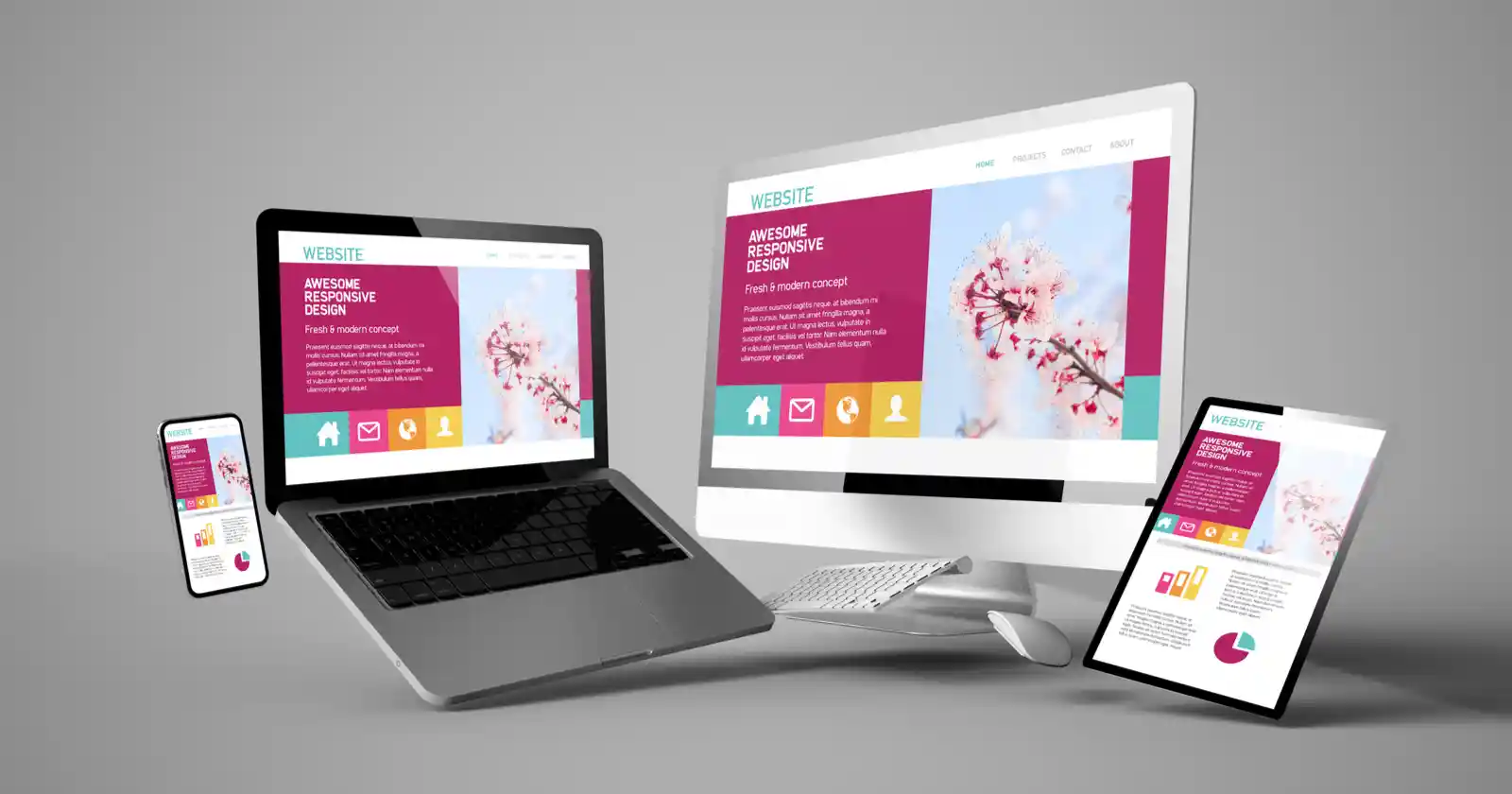
The Challenge of Scaling Design
As organizations grow, maintaining a consistent and coherent user experience across a multitude of products and platforms becomes a significant challenge. A Design System is a collection of reusable components, guided by clear standards, that can be assembled together to build any number of applications. However, creating a design system that can scale effectively requires careful planning and a forward-thinking approach.
Core Principles of a Scalable Design System
To build a design system that can evolve and adapt with your organization, consider the following principles:
- Modularity: Break down the system into small, independent, and reusable components. This makes it easier to update and maintain individual parts without affecting the entire system.
- Consistency: The design system should enforce a consistent visual and interactive language across all products. This includes typography, color palettes, spacing, and interaction patterns.
- Flexibility: While consistency is crucial, the system should also be flexible enough to accommodate the unique needs of different products and platforms. This can be achieved through theming and component customization options.
- Collaboration: A successful design system is a collaborative effort between designers, developers, and other stakeholders. Establish clear communication channels and a governance model to ensure everyone is aligned.
Key Components of a Scalable Design System
A comprehensive design system typically includes the following components:
- Design Tokens: These are the foundational building blocks of the system, representing the visual design atoms like colors, typography, and spacing. By centralizing these values, you can ensure consistency and make global style changes with ease.
- Component Library: This is a collection of reusable UI components, such as buttons, forms, and navigation elements. Each component should be well-documented with clear usage guidelines.
- Pattern Library: This includes solutions to common design problems, such as user onboarding, data visualization, and form validation. These patterns help to ensure a consistent user experience across different features.
- Documentation: Clear and comprehensive documentation is essential for the adoption and success of a design system. This should include everything from design principles and code conventions to component usage and accessibility guidelines.
Governance and Evolution
A design system is not a one-time project; it's a living product that requires ongoing maintenance and evolution. Establish a clear governance model to manage contributions, updates, and versioning. Regularly gather feedback from users and stakeholders to identify areas for improvement and ensure the system continues to meet the needs of the organization.
By embracing these principles and best practices, you can create a design system that not only scales with your organization but also empowers your teams to build better products faster.